Somewhere in Kenya, it is that time again for Counties to “do budgets” and projects. Amina sits at the edge of a newly expanded market, her wheelchair lodged in gravel. The consultation meeting about this project was held upstairs in a building with no ramps.
The report, filled with terms like “anthropogenic impact” and “mitigation frameworks,” was never translated into Braille. Amina, a disability rights advocate, had warned officials about the need for accessible pathways. They nodded, then built stairs. Now, she watches mothers with strollers struggle where her wheelchair cannot go.
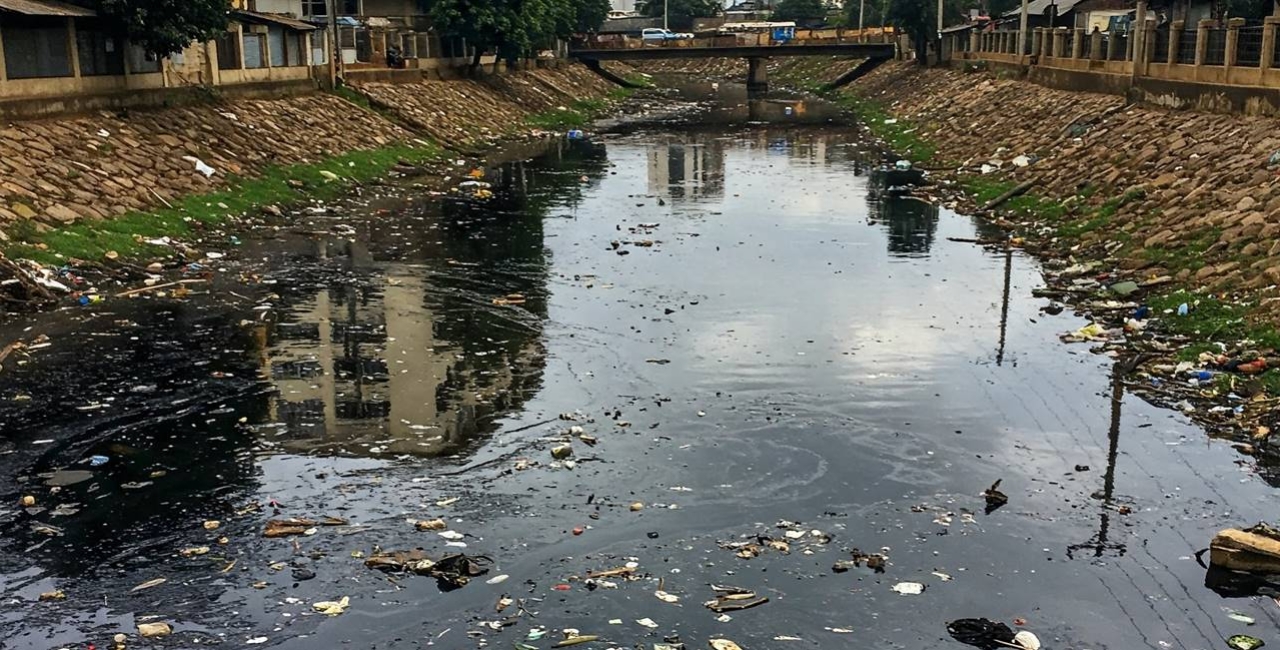
A few miles away, Juma, a farmer in Kegati, stares at the murky stream that once watered his crops. A quarry project, approved through a SEIA report that claimed “zero water contamination,” now spews sludge into his community’s lifeline. When Juma tried to complain, officials dismissed him. “They said I needed ‘proof,’” he recalls. “But how do you prove poison to those who profit from it?”
Meanwhile, Mr. Omondi (not his real name), a County environmental officer, battles sleepless nights. Last year, he approved a wetland-destroying housing project after an assessor submitted falsified data. “I knew it was wrong,” he admits, “but my boss said, ‘Sign or lose your job.’”
This case is hypothetical but the story true—it is a microcosm of Kenya’s broken environmental governance. From exclusionary consultations to corrupted reports, communities across the nation face the same betrayal: systems meant to protect them instead silence them.
Today I want to introduce you to an innovation that would address this broken system. It is called EIA Connect. EIA Connect began as a whisper in a room full of silenced voices. In 2024, Alfred was training County staff on Disability inclusion. The staff and disability advocates were a disillusioned lot. Amina demanded tools to audit inaccessible venues. Juma insisted on a way to report violations without internet. Mr. Omondi begged for data he could trust.
What emerged was a digital revolution shaped by those who’d been erased. EIA Connect—a platform where marginalized Kenyans audit, report, and reclaim power.
For Amina, it meant voice-to-text tools to document inaccessible infrastructure. For Juma, USSD/SMS integration let him send a missed call to report quarry pollution, his evidence secured on an unalterable blockchain. For Mr. Omondi, AI-powered dashboards now flag discrepancies: “50 complaints vs. 0 in the report? Investigate.”
In just 18 months, EIA Connect has turned victims into guardians. Amina’s audits have forced 12 projects to retrofit ramps and tactile paving. “They said accessibility was too expensive,” she laughs. “Now they know exclusion costs more.”
Juma’s SMS reports exposed the quarry’s toxic dumping. Within weeks, the developer installed water filters for 200 families. “For once,” he says, “the proof was their problem, not mine.”
Mr. Omondi, armed with irrefutable data, now rejects 30% of fraudulent SEIA reports. Developers scramble to comply, fearing public scorecards that rank their ethics. “I sleep now,” he says quietly.
EIA Connect is a transformation in progress—in Nyamira County 80% of SEIAs now accessible, 50% fewer violations ignored—is not a miracle. It is proof that when tools are placed in the hands of those most harmed, systems shift.
Yet Kenya’s crisis stretches far beyond one county. In Nairobi, mothers hang laundry under skies thickened by unregulated factory smoke. In Kajiado, Maasai communities are sidelined in wind farm consultations. In Mombasa, “disability-friendly” toilets remain prisons for wheelchair users. The same patterns repeat: exclusion, corruption, silence.
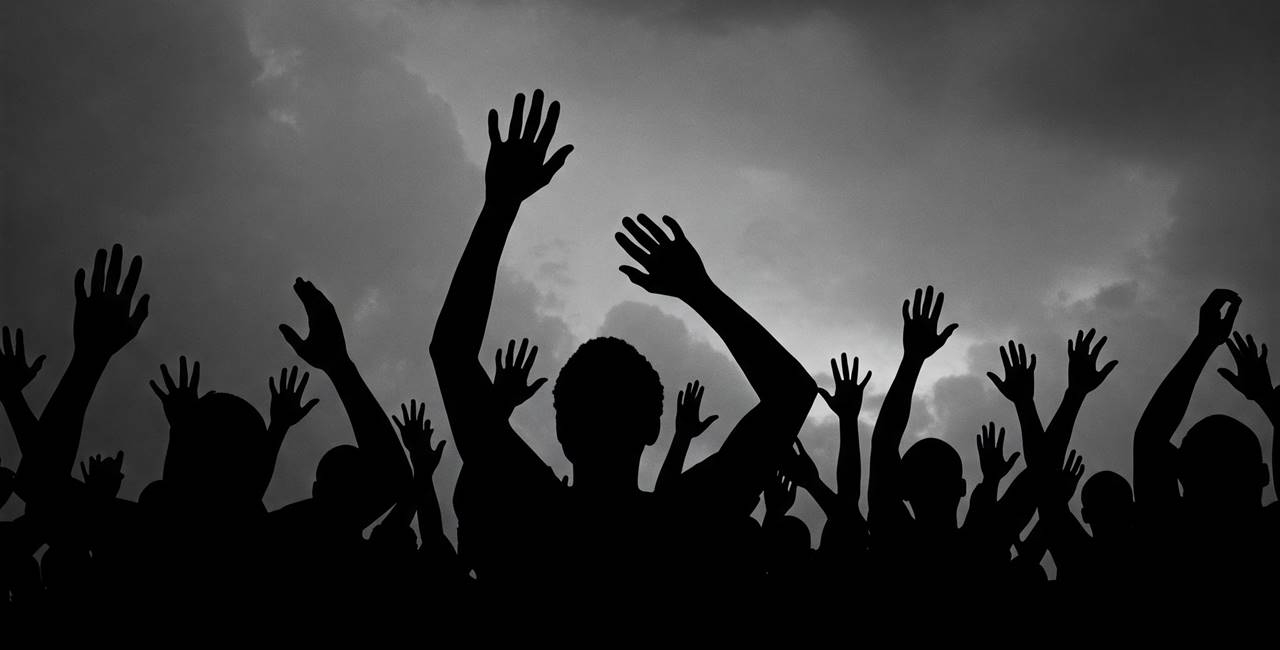
EIA Connect is more than technology—it is a rebellion. A refusal to let bureaucracy drown out the cries of farmers like Juma, the wisdom of advocates like Amina, the conscience of officers like Mr. Omondi.
Nyamira has lit a spark. With your support, we can fan it into a wildfire.
Donate today. Fund training for PWD auditors. Back grassroots campaigns. Demand that every county adopts this model.
Because when the excluded lead, accountability follows.
“They built stairs, but we’re teaching Kenya to climb.” – Amina, Disability Rights Advocate
“Our voices are no longer whispers.” – Juma, Farmer
“I finally feel like a public servant, not a pawn.” – Mr. Omondi, County Officer
Nyamira’s fight is Kenya’s wake-up call. Answer it.